
Possible Risks and Side Effects
While water fasting has benefits, it also comes with potential drawbacks, such as:
- Temporary fatigue, headaches, and digestive discomfort
- The possibility of overeating once the fast is broken
- Increased risks for individuals with preexisting health conditions
Extended fasting (beyond three days) should be approached with caution and done under medical guidance.

How to Water Fast Properly
To ensure a safe fasting experience, it is recommended to drink 2 to 3 liters of water per day. While shorter fasts (1 to 3 days) are usually safe, longer fasts require professional supervision.
Before fasting:
Gradually reduce food intake to help the body adjust.
Avoid alcohol, caffeine, and high-sugar foods.
Focus on eating nutrient-rich fruits and vegetables leading up to the fast.
After fasting:
Break the fast gradually with juices, bone broth, or soft fruits and vegetables.
Reintroduce solid foods slowly over the next few days to prevent digestive discomfort.
Tips for a Successful Water Fast
- Avoid strenuous activities or high-stress situations.
- Ease into fasting rather than stopping food intake abruptly.
- Do not fast if you are feeling unwell or recovering from an illness.
- Stay hydrated and listen to your body’s signals.
Conclusion
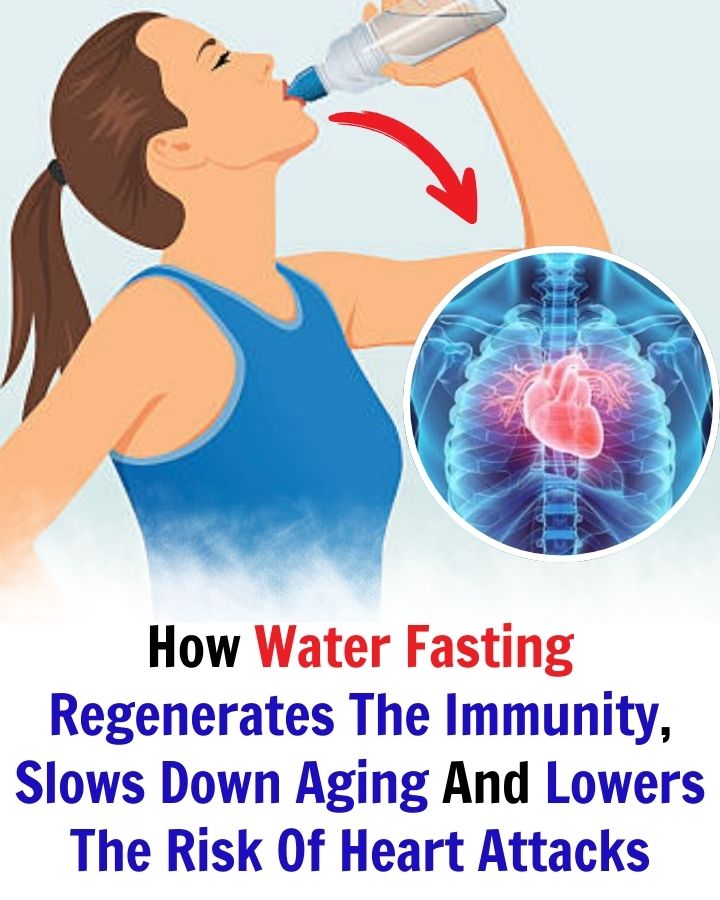
Water fasting provides several health benefits, including promoting autophagy and aiding in weight loss. However, it is essential to follow proper guidelines and consider personal health conditions before attempting a fast. Short-term fasting can be beneficial, but prolonged fasting should be undertaken with caution and medical supervision.
